
Posted By; Peace Akintayo
2027: Obi Vows to Restore Petrol Subsidy, Promises Hands-On War Against Corruption
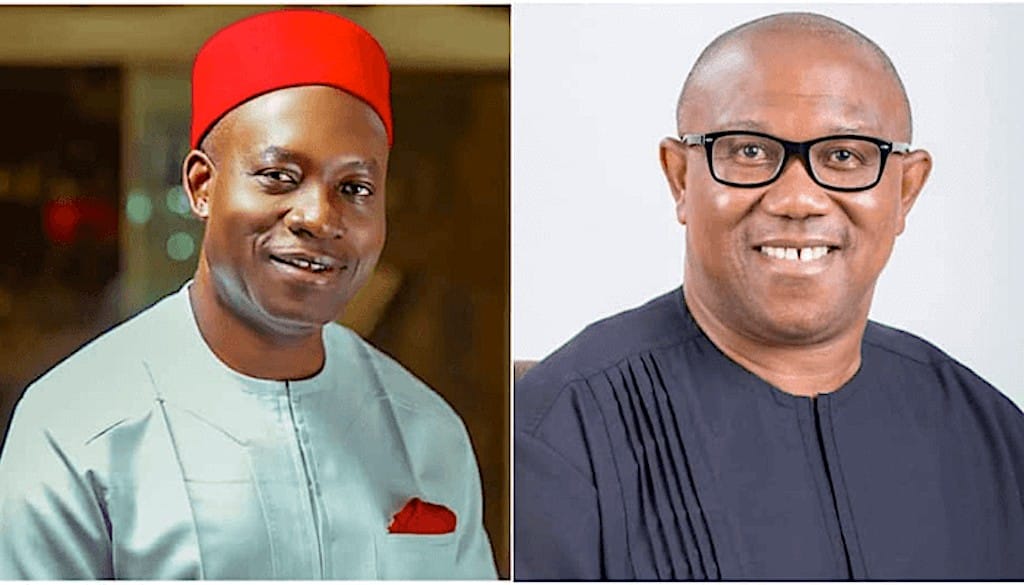
In a major policy shift ahead of the 2027 presidential election, the Nigeria Democratic Congress (NDC) candidate, Peter Obi, has declared that his administration will restore the petrol subsidy if elected into office. The sudden policy U-turn marks a sharp contrast from the economic stances that defined his previous political outings, signaling a re-strategized opposition framework aimed at addressing prevailing nationwide economic hardships. THENEWSCREDIT reports that this development introduces a fresh, highly contentious dynamic to the unfolding 2027 presidential campaign narrative.
The unexpected reversal pivots dramatically from Obi`s 2023 campaign platform. During that election cycle, the former Anambra State governor had strongly advocated for the complete removal of the subsidy regime, famously labeling it an unsustainable drain on public funds. At the time, he repeatedly maintained that trillions of naira swallowed by the scheme should instead be aggressively redirected toward critical national development sectors, specifically healthcare, education, and critical public infrastructure.
Speaking on Tuesday during an exclusive interview with the BBC, Obi clarified his new position, arguing that the underlying failure of the subsidy program was never the economic policy itself. Instead, the NDC standard-bearer pointed directly to systemic graft and state-level collusion as the forces that compromised the initiative. He insisted that the true enemy of the Nigerian state was the massive corruption built around the execution of the policy, rather than the act of cushioning energy costs for everyday citizens.
When asked directly by the interviewer if a victory for him in 2027 meant an explicit return of the petrol subsidy, the NDC flagbearer answered in the affirmative. He was quick, however, to attach a strict caveat regarding how his future administration would manage the financial leaks that plagued previous regimes. "Yes. But remember, I have qualified it, not with the corruption that’s associated with it," Obi stated during the broadcast. "I’ll remove the corruption and retain the subsidy."
To tackle this historical bleeding of public funds, Obi outlined a highly personalized, top-down anti-corruption strategy centered on absolute executive accountability. He asserted that a transparent presidency would instantly yield a massive reduction in national asset theft, placing the burden of integrity squarely on the shoulders of the nation`s top leader. "If you are not stealing, if you are not involved, your wife and family are not involved, you reduce it by 50 per cent," the presidential candidate argued.
When pressed on how his anti-graft promises differ from those of former President Muhammadu Buhari—who similarly campaigned on personal integrity but saw his tenure shadowed by multi-billion naira scandals—Obi pointed to executive oversight. He dismissed comparisons to the past administration, suggesting that a lack of direct control was Buhari`s primary undoing. "Nigerians should not decide with that. He was not in charge. The difference is that I’ll be in charge," Obi stated, referencing ongoing EFCC investigations into former officials.
THENEWSCREDIT reports that Obi’s policy shift closely aligns with recent declarations made by his running mate and former Kano State governor, Dr. Rabiu Kwankwaso. Speaking on Arise TV in September, Kwankwaso had already hinted at the party’s evolving regional strategy. Kwankwaso defended the party`s upcoming campaign viability in the North-West, a critical voting bloc highly sensitive to fuel pricing, by confidently stating that an NDC government would inevitably reintroduce the subsidy "in our own way."
According to the opposition`s blueprint, this proposed approach will involve aggressive state investment in local refineries and domestic petroleum production to naturally lower retail fuel prices. Kwankwaso heavily criticized the manner in which President Bola Tinubu implemented his "subsidy is gone" policy during his inauguration on May 29, 2023. The former Kano governor argued that the current administration executed the fiscal reform recklessly, failing to provide adequate cushioning mechanisms or consider the immediate inflationary consequences on citizens.
Meanwhile, Obi used the media appearance to firmly reject ongoing suggestions that he should step down for another opposition figure if rival political parties eventually agree to field a single consensus candidate in 2027. He urged the fragmented opposition factions to stop focusing on political concessions or backroom leadership trades. Instead, Obi asserted that the collective focus must remain entirely on building a robust, grassroots strategy capable of defeating the ruling All Progressives Congress (APC). "We don’t need to step down. We need to do the right thing," Obi declared.
As the countdown to the 2027 general elections begins, the petrol subsidy debate is guaranteed to remain the primary economic battleground for the presidency. While the Federal Government continues to defend the total removal of the subsidy as an unavoidable reform to save the national economy from collapse, opposition politicians are capitalizing on widespread public discontent. With Obi and the NDC officially weaponizing the return of cheaper fuel, the upcoming election is shaping up to be a direct referendum on Nigeria`s volatile energy reforms.